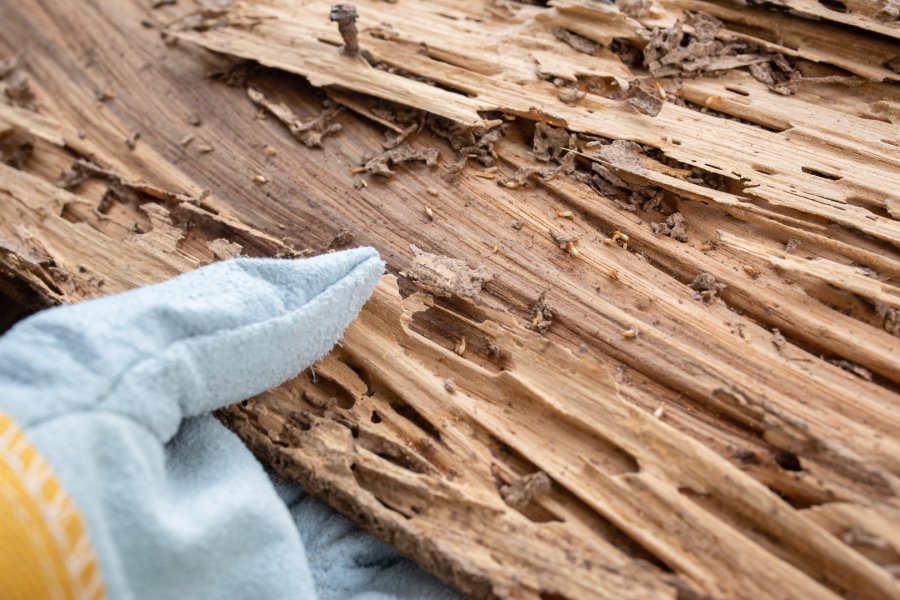

Termites are one of the most destructive pests in Arizona, and unfortunately, they’re also some of the hardest to detect. Often called “silent destroyers,” termites can cause extensive structural damage long before homeowners realize there’s a problem. In a state like Arizona—where subterranean termites thrive year-round—knowing how to recognize the early signs of termite damage can save you thousands of dollars and protect the integrity of your home.
At Orange Pest Control, we’ve inspected and treated thousands of homes across Arizona. Time and time again, we meet homeowners who had no idea termites were present until visible damage had already occurred. That’s why understanding what termite damage looks like—and where to look—is one of the most important steps in protecting your property.
Why Termites Are So Hard to Detect
Unlike many household pests, termites don’t usually roam openly across floors or countertops. Subterranean termites live underground and work behind the scenes, traveling through soil and hidden tunnels to reach wood structures. Because they avoid light and dry air, most of their activity happens out of sight—inside walls, beneath flooring, or within the foundation.
Arizona’s climate makes the problem even more challenging. Mild winters and monsoon rains provide ideal conditions for termites to remain active throughout the year. Moisture from irrigation systems, air conditioning condensation, and seasonal storms allows colonies to expand quickly, often without obvious warning signs.
By the time homeowners notice visible damage, termites may have already been feeding on structural components for months—or even years.
Common Signs of Termite Damage in Arizona Homes
Although termites are stealthy, they do leave clues behind. Recognizing these signs early can make a huge difference in how easily an infestation can be treated.
Subtle Changes in Wood Surfaces
One of the earliest indicators of termite damage is a change in the appearance or texture of wood. Door frames, window trim, baseboards, and wooden beams may begin to look warped, blistered, or uneven. Paint may start to peel or bubble in areas that don’t appear to be affected by moisture. In some cases, the wood may feel soft or spongy when pressed.
These changes often occur because termites consume the interior of the wood while leaving the outer surface intact. From the outside, everything may look normal, but underneath, the structure is slowly weakening.
Hollow-Sounding Wood
A simple way to test for termite damage is to gently tap on wooden surfaces. If the wood sounds hollow or thin, it could indicate that termites have eaten away the inside. This is particularly common in areas like baseboards, staircases, and support beams.
While hollow wood doesn’t always mean termites are present, it’s a strong sign that further inspection is needed—especially in older homes or homes with a history of moisture issues.
Mud Tubes Along Foundations or Walls
Subterranean termites rely on moisture to survive, so they build narrow mud tubes to travel between their underground colonies and food sources. These tubes often appear along foundations, garage walls, crawl spaces, or interior walls.
Many homeowners mistake mud tubes for dirt or spider nests and brush them away without realizing their significance. If mud tubes reappear after being removed, it’s a clear sign of active termite activity.
Discarded Wings
During certain times of the year—especially after rainstorms—termite colonies release winged swarmers. These reproductive termites leave the nest to establish new colonies. After mating, they shed their wings, which often accumulate near windowsills, doors, or light fixtures.
Finding small piles of wings indoors is one of the most alarming signs of termite activity. Even if you don’t see the termites themselves, the presence of wings suggests that a mature colony is nearby.
Cracks and Damage Around Doors and Windows
Termites often target areas where wood meets moisture or structural stress. Doorframes and window frames are particularly vulnerable. If doors suddenly become difficult to open or close, or if cracks appear around frames, termites could be contributing to the problem.
While these issues can also result from normal settling or humidity changes, they shouldn’t be ignored—especially in Arizona, where termite activity is common.
Why Early Detection Matters
Termite damage doesn’t happen overnight. Colonies work slowly but steadily, feeding on wood around the clock. A small infestation can quickly grow into a serious structural issue if left untreated.
Repairing termite damage can be extremely expensive. In many cases, homeowners must replace beams, flooring, drywall, or entire sections of framing. Even worse, most homeowner insurance policies do not cover termite damage, leaving property owners responsible for the full cost of repairs.
Early detection, on the other hand, makes treatment far more affordable and effective. Identifying termites before they cause significant damage allows professionals to eliminate colonies and protect your home with minimal disruption.
Why Arizona Homes Are at Higher Risk
Arizona’s environment creates the perfect conditions for subterranean termites. Irrigation systems, landscaping, and desert soil all contribute to moisture pockets that termites rely on. New developments, in particular, can be highly vulnerable, as construction often disturbs existing termite colonies and pushes them toward nearby homes.
Homes with slab foundations, block walls, and attached garages are especially attractive to termites, as these structures provide multiple hidden entry points. Without regular inspections and preventative treatments, even well-built homes can become targets.
How Orange Pest Control Protects Your Home
At Orange Pest Control, we take a proactive approach to termite prevention and treatment. Our licensed technicians conduct thorough inspections to identify signs of activity, entry points, and potential risk areas around your property.
We use Termidor SC, one of the most trusted termite treatments in the industry. Unlike traditional repellents, Termidor creates an undetectable barrier around your home. When termites come into contact with it, they carry the treatment back to the colony, effectively eliminating the source of the infestation.
Our termite services include detailed inspections, targeted treatments, preventative barrier applications, and ongoing monitoring to ensure long-term protection. Whether you own a new build, a custom home, or a commercial property, we tailor our approach to your specific needs.
When to Schedule a Termite Inspection
If you notice any of the warning signs mentioned above—or if it’s been more than a year since your last inspection—it’s time to schedule a professional evaluation. Even if you don’t see obvious damage, termites may still be present beneath the surface.
Regular inspections are especially important during Arizona’s monsoon season and spring months, when termite activity tends to increase.
Protect Your Arizona Home Today
Termites may be silent, but the damage they cause can be devastating. The good news is that with early detection and professional protection, you can keep your home safe from costly infestations.
At Orange Pest Control, we’re committed to helping Arizona homeowners stay one step ahead of termites. If you suspect termite damage or want peace of mind, we’re here to help.
Call Orange Pest Control today to schedule your termite inspection and protect your home before minor damage becomes a major problem.