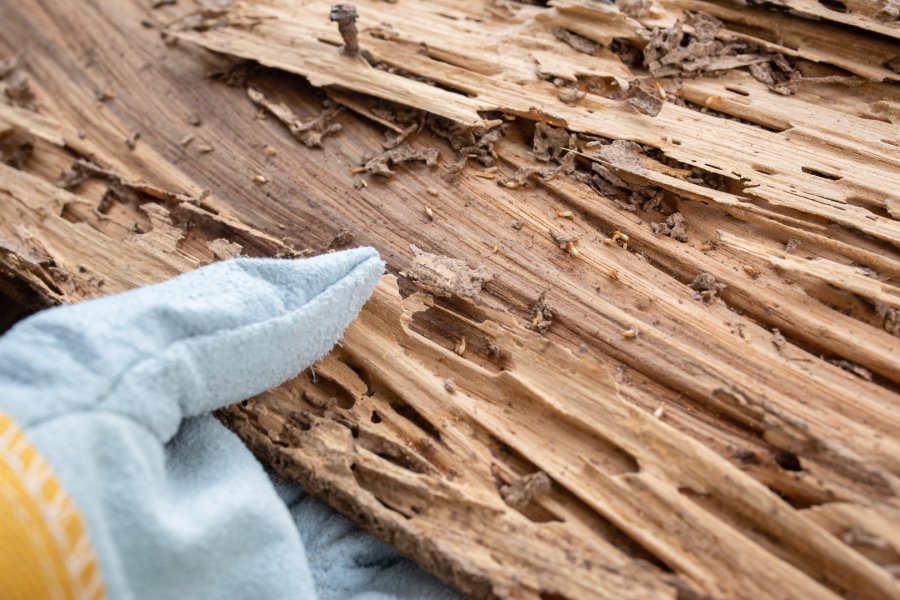

In Arizona’s desert climate, one pest stands above the rest when it comes to silent, costly destruction: the subterranean termite. These small, soil-dwelling insects may look harmless, but they cause millions of dollars in damage every year across the state. The worst part? Most homeowners have no idea they’re even there—until the damage is already done.
At Orange Pest Control, we’ve treated thousands of homes across Arizona using Termidor SC, the #1 termite solution in the industry. Our certified technicians have seen every type of infestation imaginable, from small colonies under patios to full structural invasions. To help homeowners stay informed, we’ve compiled ten essential facts about the subterranean termites we battle every day—and how you can protect your home.
1. They Live Underground
As their name suggests, subterranean termites make their homes beneath the soil. Unlike drywood termites that live inside wooden structures, these colonies thrive in dark, moist environments below ground. From there, they build intricate tunnel systems—often stretching for hundreds of feet—to reach wood, drywall, flooring, and anything else containing cellulose.
Because they stay hidden in the soil, most homeowners never see the termites themselves. Instead, the first visible clue is usually the thin brown “mud tubes” they construct along foundations, walls, or inside garages to protect their workers as they move between the colony and their food source.
2. Arizona’s Most Common Culprits
In Arizona, two species dominate: the Desert Subterranean Termite and the Western Subterranean Termite. Both are highly active year-round and perfectly adapted to the desert environment. The Desert species is more tolerant of dry conditions and tends to infest new developments, while the Western species prefers older homes and areas with consistent irrigation or shade.
At Orange Pest Control, these two species make up the vast majority of our termite treatments. Our deep understanding of their habits and preferred nesting zones allows us to target colonies effectively before they spread.
3. Moisture Is the Key to Their Survival
Even in a state known for its arid climate, termites can always find moisture. That’s because everyday sources—leaky irrigation lines, dripping faucets, condensation from air conditioners, or poor drainage near the foundation—provide all the humidity they need. Once they locate a consistent water source, the colony can expand rapidly.
This is why homeowners often see an uptick in termite activity during Arizona’s monsoon season, when rainfall softens the soil and increases humidity levels. Moisture plus wood equals paradise for subterranean termites.
4. Mud Tubes Are Their Highways
If you ever notice thin, clay-colored lines running up the side of your foundation, you’re looking at a termite highway. These mud tubes are critical to termite survival—they protect the workers from dry air and sunlight while keeping them moist as they travel between the soil and the wood they’re feeding on.
Homeowners should never ignore these signs. Even a few inches of tubing can indicate an active colony below the surface. Breaking the tube might remove what you see, but it won’t eliminate the thousands of termites still working beneath your home.
5. They Eat Nonstop
Termites are relentless. Unlike most insects, they never sleep and feed 24 hours a day. A single colony can consume an astonishing amount of cellulose in a short period—quietly chewing through floor joists, studs, trim, and even furniture.
Left untreated, termites can compromise a home’s structural integrity in just a few years. The damage often goes unnoticed until the wood becomes soft, walls buckle, or floors start to sag.
6. Colonies Can Contain Over a Million Termites
Subterranean termite colonies operate with remarkable organization. A mature colony can include hundreds of thousands to more than a million individuals, each with a specific role—workers, soldiers, and reproductive swarmers. This social structure allows them to work efficiently and expand quickly.
Because colonies can connect through underground networks, a single neighborhood may host multiple interconnected nests, increasing the challenge of complete eradication without professional help.
7. Swarmers Signal Trouble
Each spring, especially following rainfall, termite colonies release winged swarmers—reproductive males and females that leave the nest to start new colonies. These swarmers are often mistaken for flying ants, but they have straight antennae and equal-sized wings.
If you see swarmers around doors, windows, or light fixtures, it’s a serious warning sign. Even if they appear outside, their presence means a mature colony is nearby. And if they’re inside your home, it likely means termites are already within your walls.
8. They Eat More Than Wood
While termites are best known for devouring wood, their diet extends far beyond it. Anything that contains cellulose—the organic fiber found in plants—is fair game. That includes drywall paper, cardboard boxes, books, paper files, and even laminate flooring.
This is why homeowners often discover termite damage in unexpected places like closets, garages, or storage areas where boxes sit directly on the concrete slab. Keeping cellulose-based materials off the floor and away from walls helps reduce the risk of infestation.
9. Most Damage Is Hidden Until It’s Too Late
Termites feed from the inside out, hollowing wood structures long before visible damage appears. By the time you hear hollow sounds in baseboards or notice peeling paint, the infestation is often extensive.
Nationally, termites cause more than $5 billion in property damage each year, and most insurance policies don’t cover it. In Arizona’s climate, where termite activity is constant, regular inspections are the only reliable way to catch infestations early.
10. Prevention Beats Repair Every Time
The best defense against termites is a proactive one. At Orange Pest Control, we use Termidor SC, the industry’s leading termite treatment. This advanced formula creates an invisible barrier around your home that termites can’t detect or avoid. When they pass through it, they carry the treatment back to the colony, spreading it until the entire population is eliminated.
This “transfer effect” is what makes Termidor SC so effective—it doesn’t just repel termites, it wipes them out at the source. Combined with regular inspections and ongoing protection, homeowners can rest easy knowing their property is safeguarded.
Why Homeowners Trust Orange Pest Control
We’re proud to be a locally owned, family-operated company serving communities throughout Arizona. Our technicians are licensed Termidor Certified Professionals who understand the unique challenges of our desert environment. Whether you own a new build, a custom home, or a commercial property, we provide honest pricing, no hidden fees, and results you can count on.
When you schedule a free inspection, we’ll assess your property, identify any signs of termite activity, and recommend the best treatment options for lasting protection.
Protect Your Home Today
Don’t wait until termites leave their mark. Prevention is always cheaper than repair—and peace of mind is priceless.
Call Orange Pest Control today at (480) 593-4850 or visit our contact page to schedule your free termite inspection.
Let Arizona’s termite experts help you keep your home strong, secure, and termite-free all year long.